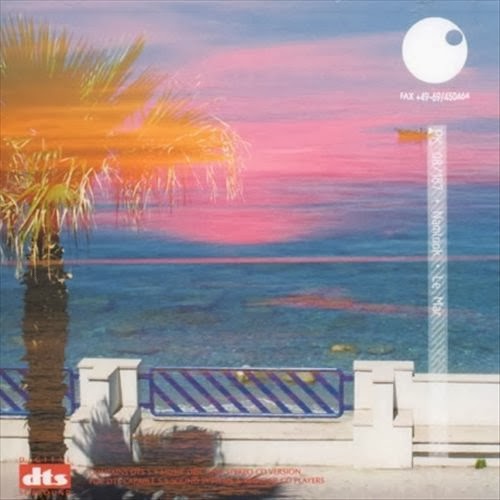
Q: When and where did you first become aware of Fax Records?
A: I became aware of Fax with the first release, Silence, back in 1992...and then probably in 1993 I met Pete for the first time.

A: First contact was made by Amir (Abadi a.k.a. Dr. Atmo), actually. I mean he was a resident at XS Chill Out Sundays in Frankfurt at that time and invited us to play and, as you know, we did the two Intergalactic Federations. I think it was after the second one that Peter said let's do an album and I think that was probably a bit later...about '95, I guess, when we did the first....the very first Koolfang was Jambient, I think. You might know better...
 Q: (Laughs) So am I right in thinking that you and Pete were both from a jazz background? Obviously that comes through with the Koolfang records, trying to fuse electronica and jazz and with the Move D/Namlook it often comes through: the influence, the sound...?
A: Yeah, more in the Koolfang project, I think, which was deliberately playing with jazz ideas. I don't know if someone told you about this or if you read about it somewhere but he was playing in a duo with one of Germany's premiere acoustic jazz guitarists...so he had quite a career going and he was a fully accomplished musician and he wasn't really a great keyboard player, especially if you compare it to his guitar skills but I was very impressed by him saying that. He knew that had to leave the jazz and the guitar behind because his fingers would play licks faster than he thought about them.
Q: (Laughs)
A: ...and he wanted this to not happen to his music, so he was happy with the limitations in his keyboard playing because he felt that would actually really make him listen to what he played.
Q: And you have a jazz background as well? You play jazz guitar sometimes? Is that right?
Q: And you have a jazz background as well? You play jazz guitar sometimes? Is that right?
A: Yeah. I wouldn't claim to be as accomplished as he was. I got to a certain level but was never really aiming to be...I was never practicing enough. I was never really super serious. An instrument for me is more of a tool to compose, rather than to...interpret something existing. I would sometimes do that but also because I'm interested in the method of composition more than anything else.
Q: So you never aimed to become a virtuoso...you just thought...you know as long as you had the tools that you needed to make your own music you were happy with that?
A: I mean the difference was that Pete was into improvisation and you know, I couldn't claim that.
 Q: The Deep Space Network records and some of your work with Pete Namlook gets fairly cosmic. After the Apollo missions and the space race the '70s was a pretty cosmic decade. How much do you think that having those influences around when you were growing up later effected your music?
A: Very much so. I think you might have seen in interviews before...when I was four my dad took me to 2001 - A Space Odyssey and that must have been around 1970 and so probably, by the pace of things back then the time this film debuted in Germany even though it was like two years later...that's how long overdubbing used to take in the day...
Q: (Laughs)
A: And I remember at the cinema they were saying: he's not even six because the movie was PG six or whatever and I was clearly not even six years old and he said yes but I'm his dad and it will be fine...but it kind of really blew my mind and I only understood half of it but eventually I understood a lot of it. In the meantime I've watched the movie probably 30 times...and like everyone else I do remember Apollo missions being on TV and Apollo 13 kind of vaguely, so that was super exciting, aesthetically and on a philosophical level and 2001 is just outstanding...and it's funny, also if you look at the amount of stuff like, of course, Star Trek and they have what do you call it...the little communication device...maybe it doesn't have the same name in German as it does in the original...the Tricorder? Tricoder?
 Q: The Teleporter?
A: No...the Teleporter...that's like: beam me up...no: the simple hand kind of thing. Flip out lid...I think Tricoder or Tricorder...yeah it's amazing and it's a very sci-fi era but since the Apollo missions it's stopped and it's not so predominant and it's not so in the centre of fashion and design and everything as it used to be throughout the '70s and the late '60s.
Q: But it was a formative time for you, though?
A: Yes, totally and musically as well. I mean I guess there were a lot of things relating to space. I definitely think that Pete and I were in that tradition...growing up with these influences. There was some very famous German sci-fi as well: Starship Orion - you ever heard of it? It's like '50s....
Q: Starship Orion? ...no...
A: It's really old. Star Trek looked really bad but Orion is like 10 years earlier than Star Trek and it really looked like cardboard or whatever.
Q: (Laughs)
 A: ...but it was great. It had great music or whatever and it's kind of cult. That's probably more Pete's generation. He was five years older than me, I think.
 Q: To my ears Solitaire still stands as one of the all-time classic Fax albums. Some of the record sounds as if it was perhaps inspired by your world travels. Is that true? What do you remember about the making of the record?
A: I remember a lot about it but it certainly wasn't inspired by travels because I hadn't really done any by that time. Imaginary travels, maybe. I do remember the whole thing was kind of happening...that was kind of the first time I was dealing with Pete so there was a lot of things...there was still Atmo involved, especially for the first one, I think. Like all the dealing went through Atmo...Amir...and the second one I was probably talking to Pete myself and for Solitaire my bank card was eaten by the machine and I couldn't withdraw any more money. I was broke and I was hanging out at friends places, so I had no money and I thought I need to make some money quickly. Back then Fax was still running like a factory and if I delivered something there would be a certain amount of money...like an immediate down payment or whatever...or advance, you might call it.
I did the whole thing in a week, basically from A to B and even Kunstoff has a few tracks that were done a year before and then put on the shelf until I had finished the whole thing but Solitaire was happening within one week...and I don't know...even though I had a reason, which was kind of really for pay, to do it I took it with a lot of joy and wasn't stressing out about it. It was just playing and knowing that Pete would be happy with it, no-matter what, I guess and there was something about our relationship in general - whatever I liked he'd be happy with it. We never had to discuss taste or stuff like this or quality. I'm not saying he was sloppy but he believed in this very spontaneous, instant approach and finishing stuff immediately and not spending much time on it. I would say: "Shouldn't we be doing things in a different way?" and he would say: "That will be the next track, maybe, but..."
Q: That's it. The deal is done, maybe?
A: Yeah.
 Q: I'm intrigued because you listen to some of the tracks and it sounds sort of...there are hints of the Middle East in there?
A: It's true but I just like making it up. I mean the Damaskus - Dakar thing, which is probably the most experimental and definitely Middle East-sounding...and I remember what inspired me to do this track. I remember a lot about this session. It's funny because I forget a lot of stuff too. My partner in Deep Space Network, Jonas (Grossmann)...on the first release, Earth to Infinity, he wouldn't touch anything in the studio. He was like a music collector with some ideas about samples and music in general but he wouldn't touch things or produce or play an instrument. Slowly I brought him into the idea of doing stuff on his own and I think that week he did something in my studio on his own for the first time..something he did by himself. That track was definitely a reaction to what I heard him doing - in a way that I was really impressed at how expressive, how free form and how creative...whatever...but not too much. It didn't seem to come from the music conservatory, which it didn't, obviously but I was really impressed by it and it made me do this Damaskus - Dakar on Solitaire. That was my inspiration. The fact that it turned out to be very oriental is something that happened on the way but the fact that it had something very cinematic, like...I don't know, erm... Vangelis or something from a movie score...that was kind of the plan because of what I'd heard.
 Q: In/Out is an epic.
A: There are several versions of this floating around. There's one on Kunstoff and there's another on the Eine Kleine Nachtmusik 12" and I'm not 100% sure which is the first mix. I think the one on Kunstoff was the first mix, the initial mix and then...and I felt that I wasn't 100% happy with the version on Kunstoff and I felt like it was good for another mix...another go and that's when I did the version for Pete. It has the hardware like the Juno-106, Sequential Pro One, an 808, a Yamaha TX802 and there was a midi-sequencer. In the '90s it was still very common to have a "12 with four different versions of the same tune in a way, like the early morning beats...and whatever and then the stripped down track...
Q: I remember those times, yes...
A: Yeah...and I was doing this sometimes with electronic tracks and I have a different version of Eastman, the first track on Kunstoff, which I wonder if I should release one day...
Q: OK, so moving on to Pop for Dwoozle, another great Fax record, I read somewhere that the material was inspired by your son. Is he the "Dwoozle" in the title?
A: Yes: that was a name I gave to him, yes.
 Q: It really sounds like a very warm, contented record, almost like a portrait of domestic bliss. Do you think that's a fair assessment?
A: Yes. It is. I mean at the same time...this says something about my motivation to work...I needed money because when my son was born his mother had a steady job so she was working pretty soon after giving birth full time again and I was at home with my son, so I wasn't doing much gigging or much studio work on my own. I was just working on the label because I only had time in little chunks of hours and in order to make music I really need to forget about time...so it wasn't really a good time for making music. I had little income or no income and I was kind of broke when I did this but I always wanted to an album dedicated to the kid at the time and there's quite a lot of recordings of his in there...of him singing or talking or playing some keys in the studio. Not making money doesn't mean you have to be unhappy or anything.
Q: It certainly sounds like a happy record to me.
A: Yes. I know. I'll give you that. It's a happy record. I wasn't in despair.
Q: (Laughs) Dr. Atmo told me that the I.F. records were amongst the recordings he was most proud of. Do you have any particular memories about making those ones?
A: Yes, I do remember. The first one was pretty soon after we all met and it was actually a real Deep Space Network greets Dr. Atmo affair and I think we probably did it in a day in Heidelberg and Atmo...Amir was essentially bringing some field recordings...then we got didgeridoo players that we just found in the street in Heidelberg and we invited them to the studio and that's the second half of the last track, Caravan and I remember e-bow guitar on it and Atmo was really encouraging me to do guitar...or kind of different things.
 I remember actually at the very beginning Fax for a while was in the media with a lot of rave reviews and there was one article in the London Times where they had like a double page spread of Fax. They were calling it the label that everyone likes to be on and they were doing like three or four releases and I.F. was one of them and they were saying it sounded like Robert Fripp and all sorts of cool things. On the second I.F. we did it in my new home, where I still live today, so I moved there when my son was born in '97. One was before '97 and two must have been around '97. It was, I remember this, one of the first, if not the first production I made in this new place and Jonas wasn't so much in it. I think it was basically just Amir and myself. Maybe Jonas was already studying Art in Cologne...so the second one is a bit more around Amir and myself but basically it's the same. He would give his comments and bring his samples but not really play anything but you don't need to play things to be a good producer. I think you don't have to be trained or anything to make interesting music. In Amir's case or Jonas they had a very clear opinion about what they wanted to hear when they went into the studio, so I kind of helped them materialise their thoughts or ideas but they had some, definitely. It's like directing a movie. You don't act yourself.
Q: So you were semi the interpreter for them?
A: Yeah, sort of. I mean...not really. Typically they'd bring a sample and we'd start building something around it and I would do what I do and they would say what they like, you know and that's more or less the way. Sometimes if there wasn't anything before I even started doing something they would say: I imagine something eastern sounding or I want to hear a sad hip-hop beat or whatever but...basically...
Q: So I could say to you I imagine autumn in England and then you could put that together (smiles)....
A: (Smiles) Yeah...maybe, maybe....
Q: Sounds good. I think it might be 26 records that you recorded with Pete...possibly?
A: Yeah: 23 Move D/Namlook and three Koolfang...makes sense...
Q: That's an enormous amount of music. Can you describe your typical working methods when the two of you got together? Did one of you typically start playing before the other or did a lot of the music come from the two of you just jamming alongside one another?
A: First of all, there was a very big distinction between Koolfang and Move D/Namlook. The Koolfangs we recorded at Pete's and the Move D and Namlooks at mine...and the Koolfang stuff, especially when I went there - I would not go unprepared...or maybe I did but then he would leave me alone in the studio and do some other stuff and just leave me alone there and he had other stuff to play around with, so when he came back a few hours later I would always have something going on by then. And on Koolfang we would have, say, a trumpeter or...it was a bit more like music that was produced in a studio the way it is usually made, you know - like layering ideas and really working on individual tunes, whereas the Move D/Namlook stuff was more like jamming and perhaps editing. Later on we were multi-tracking and then not so much editing but just writing bits...individual tracks and so we would start playing as soon as there was a signal on the channel. So basically recording from the first tuning up everything in real time and typically for a Move D/Namlook session we would be in by 11:00am and set up some stuff, get some coffee, go back to the studio, get everything running by 1:00 o'clock and start recording until...I don't know...3:00pm, 3:30pm, 4:00 o'clock and then he would fold up and go home...so minimum from one session would be one CD but we had some sessions where it was like three CDs. That would be the trilogies, like Raumland or whatever...
 Q: Stranger?
A: Stranger, right. All of these three would have been done in one day and you can tell that because they have reappearing elements and then sounds, centered around the same kind of jams. Sometimes I felt that it might be enough to make two instead of three but he wanted it all out, in a way....
 Q: Yeah. There's a curious...when you mention themes that go from one disc to another on the later albums there's almost like a strange voice distortion?
A: Yeah, the voice thing was...Pete used a Roland V Synth a lot in the later years and he used it excessively and sometimes it can be quite subtle, like on the tracks on Let the Circle Not Be Broken. There's something called Heidelberg, Texas and it's a lot of acoustic guitar, so when he came for a session he was always kind of prepared and what he brought usually was like...erm...a sample, like him saying a certain sentence about the record or something...so if you listen closely on Let the Circle not Be Broken you can hear him saying: "It's David and Pete for the tenth time." Something simple, like a two line sentence and then he would have this in the V Synth and stretch it all over the place or the guitar that he pre-recorded...sometimes and he does something subtle where you don't quite hear these kind of alien artefacts. With the voices there are a lot of samples from movies where there was like a background noise, or whatever...ambient noise when it's being processed by the synth and he does really extreme things like looping a single grain in a voice. Some people were complaining about this on the Fax board because they were kind of harsh and dominant sometimes but I like it in a way.
So many things that he did have an opinion on, while he was still around and maybe I wasn't too crazy about but now that he's gone I've found peace with everything and I'm just grateful we had the time and the music we did and there were things that I thought I would not have done. Sometimes I did not think the vocals were that good for something and now I'm grateful they're there because I remember the moment and Pete usually had a week before coming up with them. One record, the Gig in the Sky, the second Koolfang record - he was dealing with the death of his father. That was basically the day we did the album. The third Koolfang album it was about the break-up with a girlfriend and all of the tracks are about his relationship. While this was happening maybe his relationship affairs weren't really that much of an adventure for me or for anyone else so I wasn't really sure if it was really that cool but now, as I said, I'm really grateful for everything that's there. I saw him entering in to jamming with people he'd never jammed with before, just dropping in the cold water with his EMS AKS synth in a briefcase and not really being quiet and careful but really rocking it out...amazing!
So, like, these jams...I knew that something cool would happen and in all the music we did it's pretty much me doing all of the programming and he's doing the whatever...the soloing and other stuff...it could be manipulating a voice or playing a synthesiser solo. Usually the programmed part is more midi and he is typically...like he always brought a lot of gear to the jams: Mini Moog and a Prophet 5 and an OB-8, and of course a V Synth...a Nord Lead and an AKS and all of this stuff but we never midi-ied any of his gear. He was just playing keyboards, basically so anything that is sequenced is me and he's playing.
Q: That leads into one of the next questions I was going to ask and I think I've probably already got the answer. Some of the records seem quite chilled out, quite cosmic and then this house element will come in - on the first Stranger record, for sure and there's one...I can't remember which record it is and it comes out with a really funky bassline - it could be an early '70s James Brown record. I'm assuming that part of things is your influence. It must be?
A: Yes, yeah. Any beats, except for ones where he maybe had a loop on the beat and is playing this for a minute...it's actually not a bad track...will I find it? No, not quickly. It's a really cool track. He was messing around with the tape loops and the Mellotron. There's like, vintage '60s kind of styles, organ kind of styles to accompany your playing...and you can hear small combo playing: drums, bass and guitar...and he once did something like that - a short track but other than that he never did any sequencing.
 Q: And did you always record together? I mean over time technology would have allowed you to record in separate locations...
A: We always recorded together and sometimes we had a very basic...like wiring up the studio I would make sure that something is present in each machine and a sound is selected, so I would be prepared a little bit but the programming was happening while the playing was happening so I was always overdubbing and recording my stuff at the moment, so it wasn't like fully finished tracks or anything before he came in but sometimes after he left, depending on how much we got out of the session, I would do post-production but usually not too much. Like, one example would be The Art of Love - the first...the title track - the core arrangement was done live, like guitar and the sub-bass and this gave the whole thing a bit more like of a full...sometimes really small things would...the Softwired on Wired is like Mellotron strings and there's some editing...like the track obviously was longer than 25 minutes on the recording, so I think it might have been like 40 minutes in the original, so I edited this and added a lot of overdubs but usually not much. I think stuff was the best when it was 100% happening in the jams, like a lot of Wired. The Hardwired thing is pretty interesting, I think and it was just the way it happened.
 Q: A lot of the albums have themes. I'm presuming that the themes emerged later on. You never approached the music thinking today I'm going to make some...Wagon-Lits, for example...I'm assuming you didn't go into the studio thinking: we're going to make some music that's train-like?
A: No, no. You're right. The title comes after and it's somehow hidden in the samples he brings from sci-fi movies and I think in Wagon-Lits it's more like the music was really droney and sleepy and I saw, like a sleeping car ride in my imagination. It's a pity because one promoter from Belgium wanted us to perform this in a sleeping car once but Pete wanted more money than they could afford and it ended up not happening but it would have been so cool.
Q: Those Move D/Namlook albums - if you had to choose two or three that were real standouts which ones would you go for?
A: I think Wired - number five, number one, number 10, maybe.
 Q: Which one was number 10?
A: Let the Circle Not Be Broken
Q: Oh yes...is that the one with Sea of Holes on it?
A: Yeah. It depends on your mood as well. I think the Raumland trilogy is pretty cool too. Those probably but I keep discovering new things. There is something on each one that I'm pretty fond of but there's definitely quite a few things that I'm not too fond of. Not on all of them but a lot of them - I think that even if he did spend more time working on them it doesn't guarantee a much better, more satisfying result but I think there's trial and error in everything and you can't always be...especially knocking it out in such a short time frame...but in general I'm really happy with most of it. Even with the I.F. ones...I really like to deal with eight tracks instead of four on each, you know without losing too much. I mean sometimes I think it's nice if a track runs for 30 minutes or even 15 but a lot of times you could do it as well in nine minutes as you could in 20 or whatever. On the other hand there's an Evolution of Move D/Namlook CD where he did a sort of a mega-mix....I don't know. I wasn't too crazy about this, either. Sometimes, you know, to be hypnotising, or whatever - like Sea of Holes it has to be really long. But Sons of Kraut has some good stuff too. I like it when we rock out a bit more. For me sometimes it only takes one track and I don't like the whole album so much.
Q: (Laughs)
A: At the same time I might have one track that I really love. It's like Home Shopping may not be my favourite but I know there's some stuff on there that I like a lot, you know.
 Q: That's a quirky one: Home Shopping.
A: Yeah. I probably like the quirky stuff. I like Nanotube, for sure but a lot of it I'm not too crazy about.
Q: Do you have any standout memories of working with Pete? How would you describe him and pay tribute to him as a person?
A: I think I mentioned a few already, like the death of his father, his girlfriend and of his live performances. We did one only together that was turned into a CD: Live in Heidelberg but he was showing at some other gigs in Heidelberg and jamming with some friends of mine, which really stands out. I mean every human is very individual but Pete was even more individual than most other people. He was really like no-one else I ever met. And all of the facets of his personality: jazz guitarist but drops the guitar and chooses to be a kind of beginner keyboard player but with the hearing of a good musician. He was a banker. He knew how to deal with money, in a way, which a lot of artists don't and that made him different because usually people who work for banks and in money...I wouldn't usually be able to relate to them and it made me sceptical about him in the beginning, when they told me...when Amir basically told me that he was a banker and he does this with a very sharp mind. So I was a bit worried about this but he was just very different. He was the most honest, reliable and trustworthy person to deal with in my 20...whatever plus years in the business and I see a lot of people and I have a few other really trustworthy but he was outstanding because he was...I've seen friends breaking up and I've seen people falling out with him or him falling out with people. These people typically were my friends as well, so there was always a different side to the story but in the end I never doubted Pete's word, I must say, and that's it.
He was always there and he was always reliable and he was very together and straight...and I think his lifestyle was healthy...so I didn't really take it as an option, as a possibility that he could die so soon and I always thought about what we could do in our seventies and that's not going to happen anymore. It's really painful and so...I've been really busy the last couple of years, so I've seemed more busy than him. Last year I think I spoke to him in January and maybe had a couple of e-mails but I wasn't really on top of things and responding because I was never at home and then him passing in November made me feel pretty horrible about it. I could have done more to be there as a friend or whatever. There are opportunities that I missed out on but essentially I'm at peace with everything. We knew we were friends but I just think maybe he was more of a friend...I...I don't know. It's just, really really sad. It shocked me so much. I can't...I mean, I'd no... ...how much of a friend he was and how much I'd miss him...I always knew he was a good friend but I didn't expect it to...it really kind of rocked my world...and it's getting a bit better now but...there basically is almost no day when I don't think about it or him and it's tough like that. He's really missed...
 Q: I guess that to be philosophical about it there are not many collaborations where you get a chance to make 26 albums together.
A: No and I was always wondering why it had to be in such a rush and in such a hurry but now I understand and I know why. I was thinking we could take our time until we're 80, you know and keep doing these but maybe he knew it was kind of rushed. If there was anything about him it was that he was a bit of a cholerical character. If you got into an argument with him...and even we had some...but more typically I would kind of watch him being in an argument with someone else...I felt that wasn't very healthy and that he got too upset about things but on the other hand in the later years he would grow his own potatoes and really live a cool life...
Q: You used a word there and it was?
A: Cholerical...he was like high pressured sometimes, where he was like...to someone on the phone and whatever...they couldn't get the pressing, or whatever and it wasn't the end of the world and maybe it would take a week or maybe just a day. He'd still kind of get really upset - I remember these things.
(After a brief pause the interview resumes)
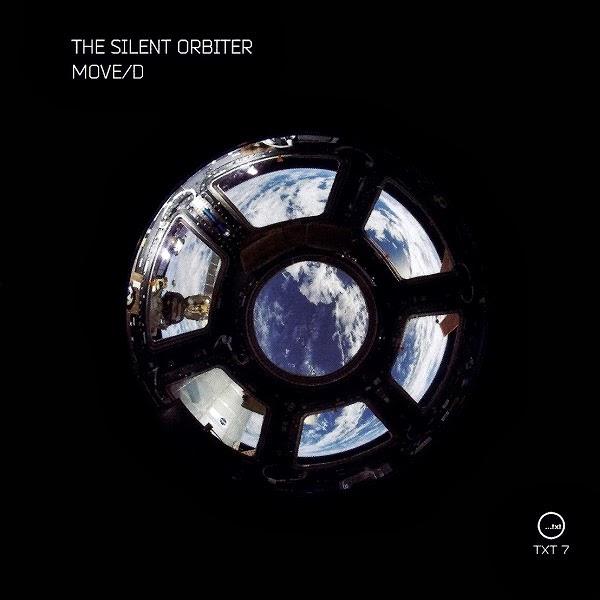 Q: Your album The Silent Orbiter will be coming out on Lee Anthony Norris' ...txt label in January. I heard a clip of it and it sounded quite melancholy...like it was almost, possibly a requiem. I don't know. That's understandable under the circumstances and it probably seems right so I was just curious about that...
A: There is some requiem stuff. The funny thing is, though, I did not do it now, after his passing but I've had it for a while and I always meant to give it to him but I didn't really know because it's so dark and sad in a way and then totally made sense to me in way. I did this requiem before he passed, never really knowing about it and then I knew what it was for.
Q: That's very strange, because a lot of your music is not like that.
A: No, it's not very typical but..I mean the sound clip (the teaser) doesn't show you anything, really. It is very melancholy and in a requiem style. The last 12 minutes are quite pleasant, majestic, and uplifting...whatever you want to call it. The alarming crackles and the groove relaxes. To me this is the essence of the track and the story that I am telling...the way I think about Pete orbiting like an Indian funeral in a canoe. The very end is quite sudden and pulls you back to reality - like waking up after hypnosis and the purpose of this album becomes visible again - one star has ceased to exist in our world.
Q: I've got a copy on order, so I guess I'll get a chance to hear it in January but that's very strange that you should produce this new piece of music that is really quite out of character...
A: Yeah, and I was wondering where it was coming from and what could I need this for and had it all the time and then I knew. When Lee (Anthony Norris) asked me if I had some ambient material yes- I actually had something - a dedication to Pete...
Q: That's an amazing story, actually and that will make listening to the album a whole different experience. It reminds me a little bit of the story of Elton John and Song for Guy. He wrote this very melancholy piece and then found out the next day that the courier who worked for him, a teenage boy had passed away in a road accident and then realised he'd written the piece for this boy...perhaps even as it happened.
A: Crazy, huh?
Q: It's strange, that. It really is strange.
(After a pause Move D continues...)
A: Pete was the best guy, really. If I'd passed he'd really be looking after my family. I know that but among all the people I've met in the business there's maybe one more that I would say would do the same, so he was really a very, very special guy.
Q: So, that just leads us to one last question, which is what are your plans for the future? What's next for you?
 A: Let me think...difficult question. At the moment the most exciting for me is the stuff with Magic Mountain High, playing with Juju and Jordash live - an improvised set and we'll be playing next week: the Unsound Festival in Poland, which is a really cool festival by itself and then it's even cooler because we will be performing as the Mulholland Free Clinic, which will be Jonah Sharp, so it will be Magic Mountain High again and there will be the four of us. It should be very interesting...so that's the most exciting stuff for me at the moment and there will be more releases with Magic Mountain High and there might be a live album by me again and working on my own stuff as well, and of course, thinking about ambient, or kind of freeform I am concerned about the void that's been left if there's no more Fax records. It's a bit sad that times are bad for albums. These days people buy single tracks off iTunes so the whole culture is in danger and I personally am not really fond of CDs. I guess it's still an appropriate media for this material but really hard to sell and the numbers were going down for Pete. It's such a molecular level of a scene. It's really small and to me it feels wrong to sell the music just as downloads if there isn't a physical thing to it but then I was saying: I don't really like CDs so that kind of makes it really hard to work in this field.
 Q: So, you've got records like Solitaire and Pop for Dwoozle...I'd be disappointed if I thought you weren't going to record any more ambient albums. Can you see yourself recording many more ambient works? I hope so.
A: Yes. I definitely can. Not only the two you mentioned...if we're talking albums I'll always have this dimension and this could be with Studio Pankow...even the ones with Benjamin Brunn on Smallville...with Reagenz...and the last track I did with Hear, which is like 30 minutes of proper ambient. I don't know if you've heard that. There will always be...I'll keep doing it. It'll be more like here and there and and whatever...and Fax was just like an institution for this kind of.... I was thinking we should do a Fax release and that's not going to happen. I wanted to one with Ben Brunn or maybe one with Jonah, with Reagenz...
Q: Well, that's me out of questions and we've been talking for two hours...
A: I know - I can't believe it. Time passes.
(With one final anecdote our conversation moves around to a story from the very early days of Fax, demonstrating Pete's strong moral outlook).
A: In the early '90s Pete had a distribution in California and when he came and met the guy for his distribution he found the guy was selling Mein Kampf. I mean, it's illegal in Germany, the book, but I still remember I've read it and there were ways of reading it, like at school and I read it because I worked in History and so at some point you have to read it. So I have read it, which was not usual for Germans but in the world I think it's normal that people are interested so I maybe would have been more forgiving, you know but for Pete this was crossing a line and so no more business with you, even though the guy said: I'd be willing to take it off my repertoire for you. I think it was too late and the guy was no way a Nazi but that was enough for Pete and he was appalled by it and he said you don't have to be a Nazi but if you're willing to make money from this then you're still accepting or whatever and I don't work with people like this.
I think that's essentially a really good one to show about his life...his business morals and how strict they were. Money was important and he was calculating with it but he would draw a line and no money would make him cross that line.
 Q: Well, thanks for your time. I thought we'd be talking for 20 minutes and it's great, you know. Thanks for giving up your time!
A: You're welcome. It's a good call and it's one I was really looking forward to because I think he really deserves the two hours...or three. OK. Take care. All the best, man. Bye.
Massive thanks to Move D for taking the time to do this interview. Believe me when I say he's the nicest person you could ever chat to.
Q: So you never aimed to become a virtuoso...you just thought...you know as long as you had the tools that you needed to make your own music you were happy with that?
A: I mean the difference was that Pete was into improvisation and you know, I couldn't claim that.
A: Very much so. I think you might have seen in interviews before...when I was four my dad took me to 2001 - A Space Odyssey and that must have been around 1970 and so probably, by the pace of things back then the time this film debuted in Germany even though it was like two years later...that's how long overdubbing used to take in the day...
Q: (Laughs)
A: And I remember at the cinema they were saying: he's not even six because the movie was PG six or whatever and I was clearly not even six years old and he said yes but I'm his dad and it will be fine...but it kind of really blew my mind and I only understood half of it but eventually I understood a lot of it. In the meantime I've watched the movie probably 30 times...and like everyone else I do remember Apollo missions being on TV and Apollo 13 kind of vaguely, so that was super exciting, aesthetically and on a philosophical level and 2001 is just outstanding...and it's funny, also if you look at the amount of stuff like, of course, Star Trek and they have what do you call it...the little communication device...maybe it doesn't have the same name in German as it does in the original...the Tricorder? Tricoder?
A: No...the Teleporter...that's like: beam me up...no: the simple hand kind of thing. Flip out lid...I think Tricoder or Tricorder...yeah it's amazing and it's a very sci-fi era but since the Apollo missions it's stopped and it's not so predominant and it's not so in the centre of fashion and design and everything as it used to be throughout the '70s and the late '60s.
Q: But it was a formative time for you, though?
A: Yes, totally and musically as well. I mean I guess there were a lot of things relating to space. I definitely think that Pete and I were in that tradition...growing up with these influences. There was some very famous German sci-fi as well: Starship Orion - you ever heard of it? It's like '50s....
Q: Starship Orion? ...no...
A: It's really old. Star Trek looked really bad but Orion is like 10 years earlier than Star Trek and it really looked like cardboard or whatever.
Q: (Laughs)
A: I remember a lot about it but it certainly wasn't inspired by travels because I hadn't really done any by that time. Imaginary travels, maybe. I do remember the whole thing was kind of happening...that was kind of the first time I was dealing with Pete so there was a lot of things...there was still Atmo involved, especially for the first one, I think. Like all the dealing went through Atmo...Amir...and the second one I was probably talking to Pete myself and for Solitaire my bank card was eaten by the machine and I couldn't withdraw any more money. I was broke and I was hanging out at friends places, so I had no money and I thought I need to make some money quickly. Back then Fax was still running like a factory and if I delivered something there would be a certain amount of money...like an immediate down payment or whatever...or advance, you might call it.
I did the whole thing in a week, basically from A to B and even Kunstoff has a few tracks that were done a year before and then put on the shelf until I had finished the whole thing but Solitaire was happening within one week...and I don't know...even though I had a reason, which was kind of really for pay, to do it I took it with a lot of joy and wasn't stressing out about it. It was just playing and knowing that Pete would be happy with it, no-matter what, I guess and there was something about our relationship in general - whatever I liked he'd be happy with it. We never had to discuss taste or stuff like this or quality. I'm not saying he was sloppy but he believed in this very spontaneous, instant approach and finishing stuff immediately and not spending much time on it. I would say: "Shouldn't we be doing things in a different way?" and he would say: "That will be the next track, maybe, but..."
Q: That's it. The deal is done, maybe?
A: Yeah.
A: It's true but I just like making it up. I mean the Damaskus - Dakar thing, which is probably the most experimental and definitely Middle East-sounding...and I remember what inspired me to do this track. I remember a lot about this session. It's funny because I forget a lot of stuff too. My partner in Deep Space Network, Jonas (Grossmann)...on the first release, Earth to Infinity, he wouldn't touch anything in the studio. He was like a music collector with some ideas about samples and music in general but he wouldn't touch things or produce or play an instrument. Slowly I brought him into the idea of doing stuff on his own and I think that week he did something in my studio on his own for the first time..something he did by himself. That track was definitely a reaction to what I heard him doing - in a way that I was really impressed at how expressive, how free form and how creative...whatever...but not too much. It didn't seem to come from the music conservatory, which it didn't, obviously but I was really impressed by it and it made me do this Damaskus - Dakar on Solitaire. That was my inspiration. The fact that it turned out to be very oriental is something that happened on the way but the fact that it had something very cinematic, like...I don't know, erm... Vangelis or something from a movie score...that was kind of the plan because of what I'd heard.
A: There are several versions of this floating around. There's one on Kunstoff and there's another on the Eine Kleine Nachtmusik 12" and I'm not 100% sure which is the first mix. I think the one on Kunstoff was the first mix, the initial mix and then...and I felt that I wasn't 100% happy with the version on Kunstoff and I felt like it was good for another mix...another go and that's when I did the version for Pete. It has the hardware like the Juno-106, Sequential Pro One, an 808, a Yamaha TX802 and there was a midi-sequencer. In the '90s it was still very common to have a "12 with four different versions of the same tune in a way, like the early morning beats...and whatever and then the stripped down track...
Q: I remember those times, yes...
A: Yeah...and I was doing this sometimes with electronic tracks and I have a different version of Eastman, the first track on Kunstoff, which I wonder if I should release one day...
Q: OK, so moving on to Pop for Dwoozle, another great Fax record, I read somewhere that the material was inspired by your son. Is he the "Dwoozle" in the title?
A: Yes: that was a name I gave to him, yes.
A: Yes. It is. I mean at the same time...this says something about my motivation to work...I needed money because when my son was born his mother had a steady job so she was working pretty soon after giving birth full time again and I was at home with my son, so I wasn't doing much gigging or much studio work on my own. I was just working on the label because I only had time in little chunks of hours and in order to make music I really need to forget about time...so it wasn't really a good time for making music. I had little income or no income and I was kind of broke when I did this but I always wanted to an album dedicated to the kid at the time and there's quite a lot of recordings of his in there...of him singing or talking or playing some keys in the studio. Not making money doesn't mean you have to be unhappy or anything.
Q: It certainly sounds like a happy record to me.
A: Yes. I know. I'll give you that. It's a happy record. I wasn't in despair.
Q: (Laughs) Dr. Atmo told me that the I.F. records were amongst the recordings he was most proud of. Do you have any particular memories about making those ones?
A: Yes, I do remember. The first one was pretty soon after we all met and it was actually a real Deep Space Network greets Dr. Atmo affair and I think we probably did it in a day in Heidelberg and Atmo...Amir was essentially bringing some field recordings...then we got didgeridoo players that we just found in the street in Heidelberg and we invited them to the studio and that's the second half of the last track, Caravan and I remember e-bow guitar on it and Atmo was really encouraging me to do guitar...or kind of different things.
Q: So you were semi the interpreter for them?
A: Yeah, sort of. I mean...not really. Typically they'd bring a sample and we'd start building something around it and I would do what I do and they would say what they like, you know and that's more or less the way. Sometimes if there wasn't anything before I even started doing something they would say: I imagine something eastern sounding or I want to hear a sad hip-hop beat or whatever but...basically...
Q: So I could say to you I imagine autumn in England and then you could put that together (smiles)....
A: (Smiles) Yeah...maybe, maybe....
Q: Sounds good. I think it might be 26 records that you recorded with Pete...possibly?
A: Yeah: 23 Move D/Namlook and three Koolfang...makes sense...
Q: That's an enormous amount of music. Can you describe your typical working methods when the two of you got together? Did one of you typically start playing before the other or did a lot of the music come from the two of you just jamming alongside one another?
A: First of all, there was a very big distinction between Koolfang and Move D/Namlook. The Koolfangs we recorded at Pete's and the Move D and Namlooks at mine...and the Koolfang stuff, especially when I went there - I would not go unprepared...or maybe I did but then he would leave me alone in the studio and do some other stuff and just leave me alone there and he had other stuff to play around with, so when he came back a few hours later I would always have something going on by then. And on Koolfang we would have, say, a trumpeter or...it was a bit more like music that was produced in a studio the way it is usually made, you know - like layering ideas and really working on individual tunes, whereas the Move D/Namlook stuff was more like jamming and perhaps editing. Later on we were multi-tracking and then not so much editing but just writing bits...individual tracks and so we would start playing as soon as there was a signal on the channel. So basically recording from the first tuning up everything in real time and typically for a Move D/Namlook session we would be in by 11:00am and set up some stuff, get some coffee, go back to the studio, get everything running by 1:00 o'clock and start recording until...I don't know...3:00pm, 3:30pm, 4:00 o'clock and then he would fold up and go home...so minimum from one session would be one CD but we had some sessions where it was like three CDs. That would be the trilogies, like Raumland or whatever...
A: Stranger, right. All of these three would have been done in one day and you can tell that because they have reappearing elements and then sounds, centered around the same kind of jams. Sometimes I felt that it might be enough to make two instead of three but he wanted it all out, in a way....
A: Yeah, the voice thing was...Pete used a Roland V Synth a lot in the later years and he used it excessively and sometimes it can be quite subtle, like on the tracks on Let the Circle Not Be Broken. There's something called Heidelberg, Texas and it's a lot of acoustic guitar, so when he came for a session he was always kind of prepared and what he brought usually was like...erm...a sample, like him saying a certain sentence about the record or something...so if you listen closely on Let the Circle not Be Broken you can hear him saying: "It's David and Pete for the tenth time." Something simple, like a two line sentence and then he would have this in the V Synth and stretch it all over the place or the guitar that he pre-recorded...sometimes and he does something subtle where you don't quite hear these kind of alien artefacts. With the voices there are a lot of samples from movies where there was like a background noise, or whatever...ambient noise when it's being processed by the synth and he does really extreme things like looping a single grain in a voice. Some people were complaining about this on the Fax board because they were kind of harsh and dominant sometimes but I like it in a way.
So many things that he did have an opinion on, while he was still around and maybe I wasn't too crazy about but now that he's gone I've found peace with everything and I'm just grateful we had the time and the music we did and there were things that I thought I would not have done. Sometimes I did not think the vocals were that good for something and now I'm grateful they're there because I remember the moment and Pete usually had a week before coming up with them. One record, the Gig in the Sky, the second Koolfang record - he was dealing with the death of his father. That was basically the day we did the album. The third Koolfang album it was about the break-up with a girlfriend and all of the tracks are about his relationship. While this was happening maybe his relationship affairs weren't really that much of an adventure for me or for anyone else so I wasn't really sure if it was really that cool but now, as I said, I'm really grateful for everything that's there. I saw him entering in to jamming with people he'd never jammed with before, just dropping in the cold water with his EMS AKS synth in a briefcase and not really being quiet and careful but really rocking it out...amazing!
So, like, these jams...I knew that something cool would happen and in all the music we did it's pretty much me doing all of the programming and he's doing the whatever...the soloing and other stuff...it could be manipulating a voice or playing a synthesiser solo. Usually the programmed part is more midi and he is typically...like he always brought a lot of gear to the jams: Mini Moog and a Prophet 5 and an OB-8, and of course a V Synth...a Nord Lead and an AKS and all of this stuff but we never midi-ied any of his gear. He was just playing keyboards, basically so anything that is sequenced is me and he's playing.
Q: That leads into one of the next questions I was going to ask and I think I've probably already got the answer. Some of the records seem quite chilled out, quite cosmic and then this house element will come in - on the first Stranger record, for sure and there's one...I can't remember which record it is and it comes out with a really funky bassline - it could be an early '70s James Brown record. I'm assuming that part of things is your influence. It must be?
A: Yes, yeah. Any beats, except for ones where he maybe had a loop on the beat and is playing this for a minute...it's actually not a bad track...will I find it? No, not quickly. It's a really cool track. He was messing around with the tape loops and the Mellotron. There's like, vintage '60s kind of styles, organ kind of styles to accompany your playing...and you can hear small combo playing: drums, bass and guitar...and he once did something like that - a short track but other than that he never did any sequencing.
A: We always recorded together and sometimes we had a very basic...like wiring up the studio I would make sure that something is present in each machine and a sound is selected, so I would be prepared a little bit but the programming was happening while the playing was happening so I was always overdubbing and recording my stuff at the moment, so it wasn't like fully finished tracks or anything before he came in but sometimes after he left, depending on how much we got out of the session, I would do post-production but usually not too much. Like, one example would be The Art of Love - the first...the title track - the core arrangement was done live, like guitar and the sub-bass and this gave the whole thing a bit more like of a full...sometimes really small things would...the Softwired on Wired is like Mellotron strings and there's some editing...like the track obviously was longer than 25 minutes on the recording, so I think it might have been like 40 minutes in the original, so I edited this and added a lot of overdubs but usually not much. I think stuff was the best when it was 100% happening in the jams, like a lot of Wired. The Hardwired thing is pretty interesting, I think and it was just the way it happened.
A: No, no. You're right. The title comes after and it's somehow hidden in the samples he brings from sci-fi movies and I think in Wagon-Lits it's more like the music was really droney and sleepy and I saw, like a sleeping car ride in my imagination. It's a pity because one promoter from Belgium wanted us to perform this in a sleeping car once but Pete wanted more money than they could afford and it ended up not happening but it would have been so cool.
Q: Those Move D/Namlook albums - if you had to choose two or three that were real standouts which ones would you go for?
A: I think Wired - number five, number one, number 10, maybe.
A: Let the Circle Not Be Broken
Q: Oh yes...is that the one with Sea of Holes on it?
A: Yeah. It depends on your mood as well. I think the Raumland trilogy is pretty cool too. Those probably but I keep discovering new things. There is something on each one that I'm pretty fond of but there's definitely quite a few things that I'm not too fond of. Not on all of them but a lot of them - I think that even if he did spend more time working on them it doesn't guarantee a much better, more satisfying result but I think there's trial and error in everything and you can't always be...especially knocking it out in such a short time frame...but in general I'm really happy with most of it. Even with the I.F. ones...I really like to deal with eight tracks instead of four on each, you know without losing too much. I mean sometimes I think it's nice if a track runs for 30 minutes or even 15 but a lot of times you could do it as well in nine minutes as you could in 20 or whatever. On the other hand there's an Evolution of Move D/Namlook CD where he did a sort of a mega-mix....I don't know. I wasn't too crazy about this, either. Sometimes, you know, to be hypnotising, or whatever - like Sea of Holes it has to be really long. But Sons of Kraut has some good stuff too. I like it when we rock out a bit more. For me sometimes it only takes one track and I don't like the whole album so much.
Q: (Laughs)
A: At the same time I might have one track that I really love. It's like Home Shopping may not be my favourite but I know there's some stuff on there that I like a lot, you know.
A: Yeah. I probably like the quirky stuff. I like Nanotube, for sure but a lot of it I'm not too crazy about.
Q: Do you have any standout memories of working with Pete? How would you describe him and pay tribute to him as a person?
A: I think I mentioned a few already, like the death of his father, his girlfriend and of his live performances. We did one only together that was turned into a CD: Live in Heidelberg but he was showing at some other gigs in Heidelberg and jamming with some friends of mine, which really stands out. I mean every human is very individual but Pete was even more individual than most other people. He was really like no-one else I ever met. And all of the facets of his personality: jazz guitarist but drops the guitar and chooses to be a kind of beginner keyboard player but with the hearing of a good musician. He was a banker. He knew how to deal with money, in a way, which a lot of artists don't and that made him different because usually people who work for banks and in money...I wouldn't usually be able to relate to them and it made me sceptical about him in the beginning, when they told me...when Amir basically told me that he was a banker and he does this with a very sharp mind. So I was a bit worried about this but he was just very different. He was the most honest, reliable and trustworthy person to deal with in my 20...whatever plus years in the business and I see a lot of people and I have a few other really trustworthy but he was outstanding because he was...I've seen friends breaking up and I've seen people falling out with him or him falling out with people. These people typically were my friends as well, so there was always a different side to the story but in the end I never doubted Pete's word, I must say, and that's it.
He was always there and he was always reliable and he was very together and straight...and I think his lifestyle was healthy...so I didn't really take it as an option, as a possibility that he could die so soon and I always thought about what we could do in our seventies and that's not going to happen anymore. It's really painful and so...I've been really busy the last couple of years, so I've seemed more busy than him. Last year I think I spoke to him in January and maybe had a couple of e-mails but I wasn't really on top of things and responding because I was never at home and then him passing in November made me feel pretty horrible about it. I could have done more to be there as a friend or whatever. There are opportunities that I missed out on but essentially I'm at peace with everything. We knew we were friends but I just think maybe he was more of a friend...I...I don't know. It's just, really really sad. It shocked me so much. I can't...I mean, I'd no... ...how much of a friend he was and how much I'd miss him...I always knew he was a good friend but I didn't expect it to...it really kind of rocked my world...and it's getting a bit better now but...there basically is almost no day when I don't think about it or him and it's tough like that. He's really missed...
A: No and I was always wondering why it had to be in such a rush and in such a hurry but now I understand and I know why. I was thinking we could take our time until we're 80, you know and keep doing these but maybe he knew it was kind of rushed. If there was anything about him it was that he was a bit of a cholerical character. If you got into an argument with him...and even we had some...but more typically I would kind of watch him being in an argument with someone else...I felt that wasn't very healthy and that he got too upset about things but on the other hand in the later years he would grow his own potatoes and really live a cool life...
Q: You used a word there and it was?
A: Cholerical...he was like high pressured sometimes, where he was like...to someone on the phone and whatever...they couldn't get the pressing, or whatever and it wasn't the end of the world and maybe it would take a week or maybe just a day. He'd still kind of get really upset - I remember these things.
(After a brief pause the interview resumes)
A: There is some requiem stuff. The funny thing is, though, I did not do it now, after his passing but I've had it for a while and I always meant to give it to him but I didn't really know because it's so dark and sad in a way and then totally made sense to me in way. I did this requiem before he passed, never really knowing about it and then I knew what it was for.
Q: That's very strange, because a lot of your music is not like that.
A: No, it's not very typical but..I mean the sound clip (the teaser) doesn't show you anything, really. It is very melancholy and in a requiem style. The last 12 minutes are quite pleasant, majestic, and uplifting...whatever you want to call it. The alarming crackles and the groove relaxes. To me this is the essence of the track and the story that I am telling...the way I think about Pete orbiting like an Indian funeral in a canoe. The very end is quite sudden and pulls you back to reality - like waking up after hypnosis and the purpose of this album becomes visible again - one star has ceased to exist in our world.
Q: I've got a copy on order, so I guess I'll get a chance to hear it in January but that's very strange that you should produce this new piece of music that is really quite out of character...
A: Yeah, and I was wondering where it was coming from and what could I need this for and had it all the time and then I knew. When Lee (Anthony Norris) asked me if I had some ambient material yes- I actually had something - a dedication to Pete...
Q: That's an amazing story, actually and that will make listening to the album a whole different experience. It reminds me a little bit of the story of Elton John and Song for Guy. He wrote this very melancholy piece and then found out the next day that the courier who worked for him, a teenage boy had passed away in a road accident and then realised he'd written the piece for this boy...perhaps even as it happened.
A: Crazy, huh?
Q: It's strange, that. It really is strange.
(After a pause Move D continues...)
A: Pete was the best guy, really. If I'd passed he'd really be looking after my family. I know that but among all the people I've met in the business there's maybe one more that I would say would do the same, so he was really a very, very special guy.
Q: So, that just leads us to one last question, which is what are your plans for the future? What's next for you?
A: Yes. I definitely can. Not only the two you mentioned...if we're talking albums I'll always have this dimension and this could be with Studio Pankow...even the ones with Benjamin Brunn on Smallville...with Reagenz...and the last track I did with Hear, which is like 30 minutes of proper ambient. I don't know if you've heard that. There will always be...I'll keep doing it. It'll be more like here and there and and whatever...and Fax was just like an institution for this kind of.... I was thinking we should do a Fax release and that's not going to happen. I wanted to one with Ben Brunn or maybe one with Jonah, with Reagenz...
Q: Well, that's me out of questions and we've been talking for two hours...
A: I know - I can't believe it. Time passes.
(With one final anecdote our conversation moves around to a story from the very early days of Fax, demonstrating Pete's strong moral outlook).
A: In the early '90s Pete had a distribution in California and when he came and met the guy for his distribution he found the guy was selling Mein Kampf. I mean, it's illegal in Germany, the book, but I still remember I've read it and there were ways of reading it, like at school and I read it because I worked in History and so at some point you have to read it. So I have read it, which was not usual for Germans but in the world I think it's normal that people are interested so I maybe would have been more forgiving, you know but for Pete this was crossing a line and so no more business with you, even though the guy said: I'd be willing to take it off my repertoire for you. I think it was too late and the guy was no way a Nazi but that was enough for Pete and he was appalled by it and he said you don't have to be a Nazi but if you're willing to make money from this then you're still accepting or whatever and I don't work with people like this.
I think that's essentially a really good one to show about his life...his business morals and how strict they were. Money was important and he was calculating with it but he would draw a line and no money would make him cross that line.
A: You're welcome. It's a good call and it's one I was really looking forward to because I think he really deserves the two hours...or three. OK. Take care. All the best, man. Bye.
Massive thanks to Move D for taking the time to do this interview. Believe me when I say he's the nicest person you could ever chat to.